Fish Tank Setup Made Easy: A Beginner’s Step-by-Step Guide
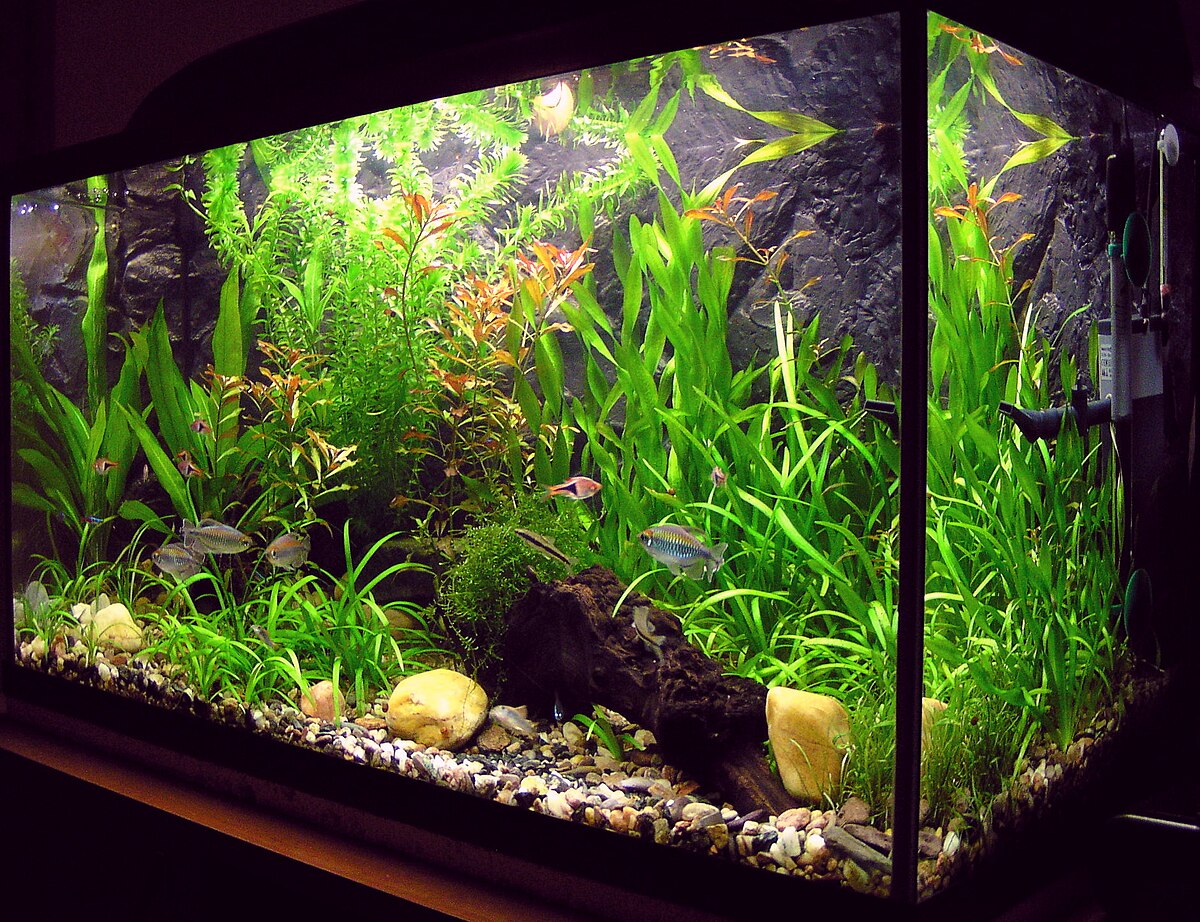
Table of Contents
A proper fish tank setup is the foundation of a thriving aquatic environment. Whether you dream of a serene freshwater sanctuary or a dazzling marine world, the early decisions you make shape the health of your fish and the longevity of your tank. Careful preparation ensures not just beauty but also balance, transforming an ordinary container of water into a vibrant ecosystem.
Choosing the Right Aquarium Setup
Size matters when selecting your first aquarium. Smaller tanks may seem less intimidating, but they are actually more challenging to maintain because water conditions fluctuate quickly. A medium-sized tank, around 20 to 30 gallons, strikes the perfect balance for beginners. Glass or acrylic tanks both have advantages—glass resists scratching, while acrylic is lighter and offers clearer viewing. Consider your available space, budget, and long-term goals before committing.
Essential Equipment Setup for Success
Aquariums require more than a tank and water. Filtration systems are the heart of the setup, removing toxins and ensuring clarity. Heaters maintain consistent temperatures, vital for tropical species. Lighting not only highlights your aquascape but also supports plant growth in freshwater environments. A sturdy stand prevents accidents, while test kits allow you to monitor pH, ammonia, nitrite, and nitrate levels with precision.
Preparing the Substrate
The substrate forms the base of your aquatic world. Gravel, sand, or specialized planted tank soil all provide unique benefits. Gravel offers versatility and easy cleaning, while sand mimics natural riverbeds for species that prefer softer footing. Planted tank soil supplies essential nutrients for live vegetation. Before adding, rinse the substrate thoroughly to eliminate dust and impurities that could cloud the water.
Filling and Treating the Water
Tap water often contains chlorine, chloramine, and heavy metals harmful to fish. Use a water conditioner to neutralize these substances before filling the tank. Fill the aquarium slowly to avoid disturbing the substrate, placing a plate or bowl on the bottom to diffuse the water flow. Setting the correct temperature at this stage prevents stress when fish are introduced later.
Cycling the Aquarium Setup
The nitrogen cycle is the invisible engine of a healthy tank. Beneficial bacteria colonize the filter and substrate, breaking down fish waste into less toxic compounds. Cycling can take four to six weeks, but patience is essential. Introducing fish too early risks ammonia spikes and fatalities. To speed the process, add bottled bacteria supplements or use filter media from an established aquarium. Test water parameters frequently until ammonia and nitrite stabilize at zero.
Designing the Aquascape
An aquarium should delight the eye as well as nurture its inhabitants. Arrange rocks, driftwood, and plants to mimic natural habitats. Create hiding spots for shy species and open swimming areas for active fish. Avoid overcrowding decorations, as fish require freedom of movement. If using live plants, choose hardy beginner species such as java fern, anubias, or amazon sword. A thoughtful layout enhances both beauty and function.
Introducing Fish Gradually
Once water conditions stabilize, begin stocking your aquarium slowly. Adding too many fish at once overwhelms the biological filter. Start with hardy species that tolerate minor fluctuations, such as guppies, tetras, or zebra danios. Quarantine new arrivals in a separate tank for a couple of weeks to prevent diseases from spreading. Observe carefully during acclimation, gradually mixing tank water with their bag water before release.
Maintenance Made Simple
A successful aquarium requires consistent care. Perform weekly partial water changes of 20–30% to maintain water quality. Vacuum the substrate to remove debris and uneaten food. Clean the filter according to manufacturer instructions, but avoid washing media in tap water, as chlorine kills beneficial bacteria. Trim plants and wipe algae from the glass as needed. A routine schedule ensures balance and prevents crises.
Monitoring Fish Health
Healthy fish are active, display bright colors, and eat with enthusiasm. Watch for warning signs such as clamped fins, lethargy, white spots, or labored breathing. Early detection of illness allows for swift treatment and reduces the risk of loss. Maintaining good water quality is the most effective defense against disease. Balanced nutrition, stress-free environments, and clean conditions create thriving aquatic life.
Expanding Your Hobby
As confidence grows, you may wish to explore advanced setups. Saltwater aquariums, aquascaping competitions, or species-specific tanks provide exciting challenges. Technology such as automatic feeders, CO₂ injectors, and smart monitoring devices can make management easier and more rewarding. Each step broadens your expertise, turning an initial hobby into a lifelong passion for aquatic life.
Setting up an aquarium blends science, patience, and artistry. By carefully choosing equipment, cycling the tank, and maintaining consistent care, beginners create not only a beautiful display but also a sustainable home for aquatic creatures. With thoughtful planning and dedication, the shimmering world behind the glass becomes a source of serenity and wonder for years to come.