
Table of Contents
The concept of the veterinary pet shop is transforming how society views and manages animal well-being. Combining the trusted expertise of veterinary clinics with the accessibility and product variety of pet retail, these hybrid establishments redefine convenience, quality, and compassion in pet care. They represent a future where every purchase, consultation, and service contributes to a healthier, happier pet. Explore innovations with Modern Pet Wellness, discover holistic trends at Healthy Paws Clinic, and learn from the integrative model of PetLife Partners, all paving the way for this evolution.
The Emergence of Integrated Pet Care
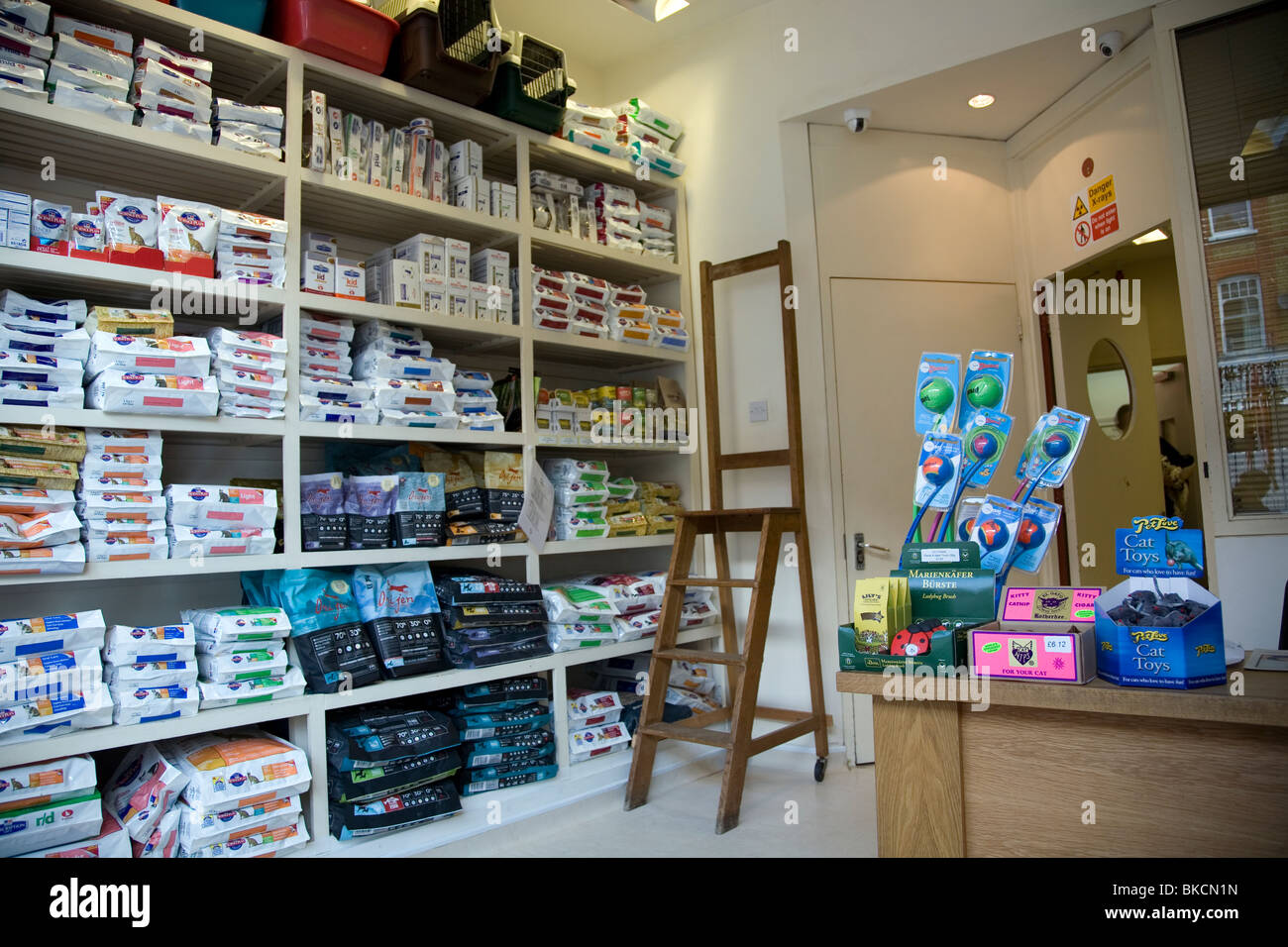
In the past, pet owners had to navigate a fragmented system: a veterinarian for health issues, a separate store for supplies, and sometimes an online outlet for specialized products. The modern shift toward integration addresses this inefficiency. By merging professional veterinary services with high-quality retail, these establishments create an all-in-one destination for pets and their guardians.
The result is a seamless experience that ensures not only comfort but also consistency in care. Veterinarians can directly recommend products tailored to an animal’s specific medical needs, eliminating guesswork and reducing the risk of inappropriate purchases.
The Rising Demand for Professional Oversight
Pet ownership has evolved from companionship to guardianship. Owners now seek expert advice on nutrition, behavior, and preventive care. The growing awareness of pet wellness parallels human healthcare trends—proactive management, customization, and science-backed solutions. This cultural shift has driven the rise of hybrid spaces where retail meets clinical expertise.
When pet parents buy supplements, food, or grooming products under veterinary supervision, they gain confidence that every choice aligns with medical insight. It bridges the gap between commerce and compassion, ensuring every purchase contributes to long-term health.
Why Veterinary Pet Shops Are the Future of Pet Care
The appeal of these establishments lies in their dual-purpose approach. They are not just shops; they are wellness ecosystems. In a world increasingly drawn to convenience and credibility, the union of veterinary science and retail accessibility creates unmatched value for consumers and their pets.
Three forces drive this transformation:
-
Consumer Trust: A recommendation from a licensed veterinarian carries authority and assurance.
-
Scientific Validation: Each product on the shelf is clinically evaluated for efficacy and safety.
-
Convenience: Owners save time and energy by accessing medical advice, prescriptions, and products in one place.
These elements combine to form a model of pet care that aligns with modern values—evidence-based, ethical, and efficient.
Redefining Retail in the Pet Industry
Traditional pet shops once thrived on novelty—bright packaging, impulse purchases, and emotional marketing. However, contemporary consumers demand transparency and purpose. They want to know the origin, composition, and benefits of what they buy. Hybrid establishments respond to this expectation by curating selections vetted by professionals.
Every item—be it pet food, grooming essentials, or toys—undergoes scrutiny to ensure it meets medical standards. This process nurtures an informed shopping culture that values quality over quantity.
The Role of Technology and Data in Pet Health
Technology amplifies the capabilities of integrated clinics and shops. Digital health records, wearable devices, and telemedicine platforms allow veterinarians to monitor a pet’s condition remotely, recommending products based on live data. For example, smart collars can detect irregular heart rates or unusual movement patterns, prompting immediate intervention.
Moreover, data-driven insights enable businesses to anticipate customer needs. If a dog’s prescription food is about to run out, automated systems can notify the owner or even prepare refills for pickup. Such personalization elevates convenience while ensuring consistent care.
The Benefits for Pet Owners and Pets Alike
The fusion of retail and veterinary services offers a multitude of advantages:
-
Holistic Health Management: Preventive care, nutrition, and grooming are coordinated seamlessly.
-
Time Efficiency: Multiple needs are met under one roof.
-
Enhanced Product Reliability: Items are approved by medical professionals.
-
Personalized Guidance: Each purchase aligns with a pet’s individual health profile.
-
Trust and Continuity: Relationships with in-house veterinarians build loyalty and reassurance.
This model not only benefits consumers but also fosters stronger animal welfare outcomes across communities.
From Treatment to Prevention: A Paradigm Shift
For decades, veterinary medicine was largely reactive—treating illnesses after they appeared. The modern philosophy, however, emphasizes prevention. Integrated pet shops embody this shift by encouraging early detection and lifestyle management.
By offering wellness check-ups alongside products that promote joint health, dental hygiene, or balanced nutrition, these establishments make preventive care accessible and engaging. They transform routine shopping into an act of protection and foresight.
Community and Education: The New Frontiers
Beyond commerce, these shops serve as educational hubs. Workshops, seminars, and consultations empower owners to make informed choices about diet, exercise, and training. Children learn empathy and responsibility, while adults gain awareness of evolving health trends.
Furthermore, many hybrid stores collaborate with shelters and adoption agencies, hosting rescue drives and awareness campaigns. They become social centers for pet-loving communities—spaces where compassion and knowledge converge.
Sustainability and Ethical Responsibility
A notable aspect of modern pet care is its growing focus on sustainability. From biodegradable packaging to ethically sourced ingredients, these establishments mirror the environmental consciousness of their clientele.
By supporting cruelty-free brands and promoting local suppliers, they reduce ecological footprints while reinforcing humane principles. This alignment with broader sustainability goals strengthens their appeal among eco-aware consumers.
Veterinary Pet Shops and the Power of Collaboration
Partnerships between veterinarians, product developers, and behavior specialists lie at the heart of these enterprises. Such collaborations ensure that new products are both scientifically valid and ethically sound.
For instance, a veterinarian might collaborate with a nutritionist to design a food formula tailored for senior dogs with kidney sensitivity. Meanwhile, behaviorists may recommend toys that stimulate cognitive function in indoor cats.
This interdisciplinary synergy elevates the entire industry’s standard of care.
The Economic Perspective
From a business standpoint, the integrated model represents a resilient and scalable framework. The global pet industry continues to expand, driven by rising pet adoption rates and humanization of animals. By merging retail with veterinary services, companies diversify revenue streams while enhancing client retention.
Pet owners are more likely to return to a trusted establishment that understands their animal’s history. The built-in medical oversight ensures customer satisfaction and minimizes product returns or disputes.
The Global Outlook
Across Europe, North America, and Asia, hybrid models are becoming mainstream. In Japan, clinics within shopping centers offer vaccinations and grooming alongside premium retail products. In the United States, large pet care chains now feature in-store veterinary clinics, promoting continuity of care.
Emerging economies are also catching up. In regions like Southeast Asia and Latin America, these models are bridging gaps in accessibility, providing quality care to communities previously underserved by standalone clinics.
The Role of Digital Marketing and Online Platforms
Digital ecosystems amplify the reach of integrated pet care. Many establishments combine in-person services with online stores, creating omnichannel experiences. Owners can consult veterinarians virtually, receive tailored product recommendations, and have items delivered to their doorstep.
SEO-driven platforms ensure visibility to local audiences, while subscription services provide regular health essentials such as flea preventatives and supplements. This digital transformation underlines how technology and trust coexist in the modern pet industry.
Veterinary Pet Shop Success Stories
Throughout the world, examples of innovation abound. In Singapore, hybrid clinics partner with universities to research animal nutrition. In Canada, veterinary-managed stores have introduced mental wellness programs for pets, combining aromatherapy and training aids.
These success stories prove that when commerce aligns with compassion, both businesses and animals thrive. The synergy of medical science, ethical sourcing, and personalized service defines the pet industry’s next chapter. Learn more from PawCare Alliance, a network leading the integration of veterinary excellence with modern retail strategies.
Challenges and Future Prospects
The path forward, while promising, is not without obstacles. The integration of clinical and commercial interests must be carefully balanced to maintain ethical transparency. Pricing structures should prioritize accessibility without compromising quality.
However, the momentum is undeniable. As more owners demand credibility, convenience, and care, the integrated model will dominate. Training programs and certifications for hybrid operations are already emerging, setting global standards for quality assurance.
The Future Vision of Pet Wellness
The future of pet care is holistic, compassionate, and technology-driven. In these hybrid spaces, the line between treatment, prevention, and pleasure blurs beautifully. Pets will benefit from early diagnosis, proper nutrition, and tailored wellness regimens—all in environments that feel less clinical and more nurturing.
This evolution reflects a greater truth: that animals are not property but family, deserving of the same quality of life and health support as humans. The integration of medical insight and retail experience ensures that care is no longer reactive—it’s proactive, continuous, and compassionate.
As these establishments multiply worldwide, they symbolize an awakening. The pet care industry is entering a golden age of empathy and expertise—one in which animals are understood, valued, and cared for like never before. For insights into global innovations, explore PetCare Vision Network, a resource dedicated to shaping tomorrow’s humane and integrated pet care systems.