
Table of Contents
Bringing aquatic life into your home is more than aesthetic appeal—it’s about cultivating an ecosystem. Whether you’re a novice aquarist or a seasoned enthusiast, selecting the right types of freshwater fish makes all the difference. These species vary not just in color or size, but also in temperament, tank compatibility, and care requirements. Below is a carefully curated list of vibrant freshwater species that thrive in home aquariums and add character to any living space.
1. Neon Tetra
Small yet radiant, the Neon Tetra is a quintessential species in freshwater tanks. With its signature blue and red stripes, this fish glides in schools, creating a kaleidoscopic shimmer under aquarium lights. Easy to care for and peaceful in nature, Neon Tetras flourish in soft, slightly acidic water and enjoy densely planted tanks.
2. Betta Fish (Siamese Fighting Fish)
Regal in demeanor, the Betta fish is revered for its flowing fins and rich coloration. Ideal for solo tanks due to their territorial tendencies, Bettas can adapt to small spaces but still benefit from clean, warm waters and hiding spots. Though often seen in bowls, they thrive best in filtered aquariums with minimal currents.
3. Angelfish
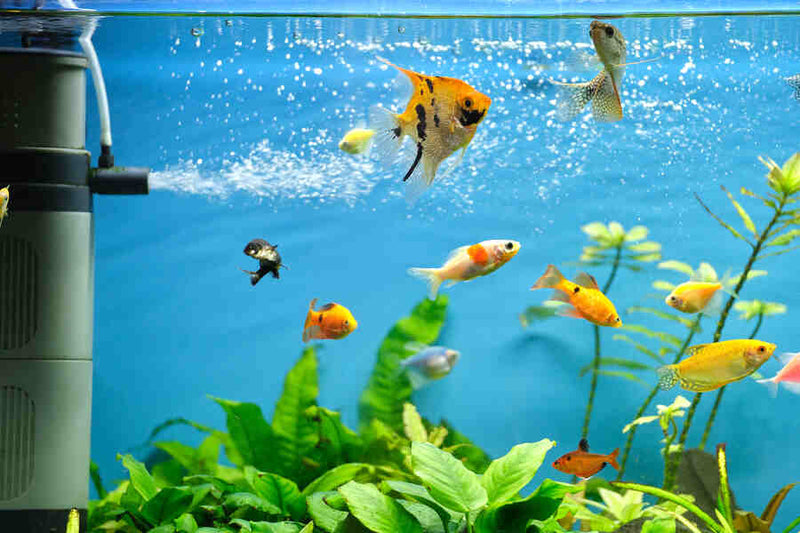
Elegant and commanding, the Angelfish introduces vertical grace to horizontal aquascapes. Native to the Amazon Basin, they prefer tall tanks and soft, warm water. Social yet semi-aggressive, they do best in carefully curated communities without fin-nipping companions.
4. Corydoras Catfish
These bottom-dwellers serve as nature’s janitors. Corydoras Catfish scavenge for uneaten food and debris, helping to maintain cleanliness. Their gentle disposition makes them excellent community fish, and their social behavior encourages owners to keep them in groups of at least three or four.
5. Guppies
Bursting with variety, Guppies are often dubbed the “rainbows of the aquarium.” Available in countless colors and tail shapes, these livebearers are both resilient and lively. They breed prolifically, so if you’re not prepared for a tank full of fry, consider an all-male population.
6. Dwarf Gourami
Quietly stunning, the Dwarf Gourami adds a splash of sophistication to any tank. With iridescent scales and a tranquil demeanor, they prefer low-light setups with plenty of plant cover. Males exhibit stronger colors, especially during courtship, making them particularly eye-catching.
7. Bristlenose Pleco
Unlike their larger relatives, Bristlenose Plecos remain a manageable size and are excellent algae eaters. With a distinctive bristled snout and armored appearance, they provide both utility and visual intrigue. These nocturnal creatures require driftwood and caves for hiding and rasping.
8. Mollies
Mollies are adaptable, robust, and come in various shapes—balloon, sailfin, and lyretail among them. Able to tolerate slight salinity, they are suitable for both freshwater and brackish tanks. Peaceful and sociable, they thrive in well-maintained environments with stable parameters.
9. Cherry Barb
Slightly shy but visually appealing, Cherry Barbs display a deep red hue—especially in males during breeding seasons. These schooling fish do best in groups and flourish in moderately planted aquariums with soft, acidic water. Their gentle temperament makes them excellent tank mates.
10. Rainbowfish
True to their name, Rainbowfish offer a dazzling spectrum of colors, which become more vivid with age. Native to Australia and New Guinea, they prefer larger tanks with ample swimming space. These active, peaceful fish are best kept in schools of six or more to prevent timidity.
11. Swordtails
Recognizable by their elongated tail fin that resembles a sword, these fish are both hardy and lively. Males are territorial, so it’s advisable to maintain a higher ratio of females to reduce aggression. Swordtails enjoy moderate current and benefit from planted tanks with open swimming zones.
12. Kuhli Loach
Serpentine and secretive, the Kuhli Loach is a bottom-dwelling species that adds mystery to your aquarium. Often hiding during daylight hours, they emerge at dusk to forage. Their peaceful nature makes them compatible with a variety of tank mates, though they prefer being kept in small groups.
Tips for Maintaining a Thriving Freshwater Aquarium
While the fish are the stars, their habitat is the stage. It’s vital to maintain water quality, monitor pH and temperature regularly, and invest in a good filtration system. Weekly partial water changes, proper lighting cycles, and substrate cleaning will support a healthy environment for your aquatic companions.
Also, be mindful of bio-load. Overstocking leads to stress, disease, and poor water quality. Follow the rule of one inch of fish per gallon of water, adjusting for species that require more space.
Compatibility matters. Not all peaceful fish remain peaceful in tight quarters, and not all colorful fish can coexist harmoniously. Research temperament, adult size, and feeding habits before introducing new species.